Latest Info on Papua New Guinea gov spend, Public Purchasing, Govt budget & Public spending
- Home >
- Public Procurement
Public Procurement in Papua New Guinea
Public Procurement in Papua New Guinea forms a critical part of the country’s public financial management framework and is a primary mechanism through which public resources are converted into development outcomes. Through procurement, the government acquires goods, works, and services required for the delivery of public administration, infrastructure development, health, education, transport, and essential community services.
Government procurement in Papua New Guinea is particularly significant given the country’s geographic dispersion, infrastructure needs, and reliance on public investment to support inclusive growth. Public procurement is also closely linked to donor-funded programs, making it an important interface between national institutions and international development partners.
For domestic suppliers, public procurement represents one of the largest formal market opportunities. For international contractors, consultants, and suppliers, government tenders in Papua New Guinea provide access to projects financed through both national budgets and development partner support, subject to compliance with national procurement law.
Country & Economic Overview
| Region | East Asia and Pacific |
| Population | 10,576,502 (2024) |
| Income Level | Lower middle-income economy |
| Currency | Kina |
| Exchange Environment | Managed exchange rate regime |
| Gross Domestic Product (GDP) | USD 32.54 billion (2024) |
| Gross National Income (GNI) | USD 30.66 billion (2024) |
| GNI per Capita | USD 2,900 (2024) |
The scale of public procurement in Papua New Guinea is shaped by fiscal capacity, infrastructure priorities, and the role of externally financed development projects.
Public Procurement Governance Framework
Public procurement governance in Papua New Guinea is centralized, with a dedicated statutory body responsible for regulating and overseeing procurement activities across public sector entities.
| Public Procurement Agency (PPA) | National Procurement Commission (NPC) |
| Institutional Role | Regulation, oversight, and approval of public procurement processes |
| Contracting Authorities | Government departments, statutory authorities, and public institutions |
The NPC plays a central role in ensuring compliance with procurement legislation and in providing oversight for high-value and high-risk procurement activities.
Legal & Regulatory Framework
Public procurement law in Papua New Guinea is governed by the National Procurement Act 2018 and associated publications and guidelines issued by the National Procurement Commission.
Core Legal Principles
- Value for Money (Article 68(6))
- Transparency and accountability
- Competition and fairness
- Proper use of public funds
Key Legal Provisions
- Public Bid Openings: Article 57
- Domestic Preference: Articles 39 and 68(8)
- Bid Validity: Article 53 (goods, works, and services)
- Tender Thresholds: Article 68(3)
The legal framework applies to goods, works, and services financed with public funds and establishes procedural safeguards for procurement decision-making.
Procurement Procedures & Thresholds
Procurement procedures in Papua New Guinea are determined by contract value, procurement method, and thresholds established under the National Procurement Act.
| Procurement Method | Typical Application |
| Open tendering | Standard competitive procurement process |
| Other approved methods | Used under conditions defined by law |
- Bid validity periods are defined under Article 53 of the Act
- Complaint handling procedures are established in procurement regulations
- Contract award disclosure requirements are embedded in the legal framework
E-Procurement System Overview
The eProcurement system in Papua New Guinea is not established as a fully operational national platform.
| National eProcurement System | Information not specified |
| Use by the World Bank | Yes |
| World Bank Support for National System | No |
Procurement processes are largely conducted through manual or institution-specific systems, while donor-funded projects may apply separate procurement arrangements.
Procurement Market Characteristics
The public procurement market in Papua New Guinea reflects national development needs and public investment priorities.
- Goods: Equipment, supplies, and consumables for public administration
- Works: Roads, public buildings, utilities, and infrastructure
- Services: Consulting, technical assistance, and project management
Domestic firms participate widely in government tenders, particularly for smaller contracts. International participation is more common in large infrastructure projects and donor-financed programs.
Evaluation methods emphasize compliance and value for money, with price-based and quality considerations applied depending on procurement category.
Transparency, Complaints & Oversight
Transparency and oversight are supported through statutory requirements and the supervisory role of the National Procurement Commission.
- Public bid openings are legally required
- Procurement decisions are subject to review and oversight
- Procurement information is published through official channels
Centralized procurement statistics and performance indicators are not systematically disclosed in a single public repository.
Sustainability & Green Public Procurement
Environmental and sustainability considerations are not established as a comprehensive, mandatory component of the public procurement framework.
- No dedicated national green public procurement strategy is specified
- Environmental considerations may be applied at the project level
- Donor-funded projects may include sustainability requirements
Future integration of sustainability into procurement would depend on policy reforms and regulatory updates.
Social & Ethical Procurement Considerations
Social and ethical procurement considerations are addressed primarily through general legal and policy requirements.
- Domestic preference provisions support local participation
- No specific statutory targets for women-owned businesses are specified
- Labor and ethical standards are applied through national laws and contract conditions
Key Challenges & Practical Insights for Bidders
Key Challenges
- Capacity constraints in procurement administration
- Limited use of digital procurement systems
- Fragmented publication of procurement information
- Complex logistics and geographic conditions
Practical Bidding Tips
- Carefully review the National Procurement Act 2018 and NPC guidelines
- Monitor official government notices and ministry communications
- Ensure strict compliance with bid validity and documentation requirements
- Consider local partnerships to strengthen bid competitiveness
- Account for logistical and operational challenges in pricing and delivery
Public Procurement in Papua New Guinea represents a structured but challenging market environment. Suppliers that demonstrate legal compliance, local understanding, and operational flexibility are best positioned to succeed in government tenders in Papua New Guinea.
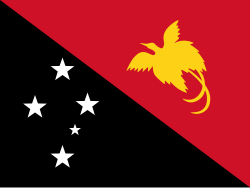
Flag of Papua New Guinea

Emblem of Papua New Guinea
Capital
Port Moresby
ISO 3166 Code
PG
Population
7,398,500
Area, Sq KM
462,840
Currency
Papua New Guinean kina (PGK)
GDP, Billion USD
15,654
Language
Hiri Motu, Tok Pisin, English
GDP Growth Rate, %
5.8
Inflation, Avg CP, %
-
Interest Rates, %
-
Unemployement Rate, %
-
Exchange Rate, 1 USD Equals
2.73
International dial code
675
Time ZONE
GMT+10:00
Internet TLD
.pg
Get FREE SAMPLE TENDERS from Papua New Guinea in your email inbox.
Copyright © 2014-2026 papuanewguineatenders.com. All Rights Reserved.